
-
No products in the cart.
Organic Superfoods for Everyday Energy and Ease
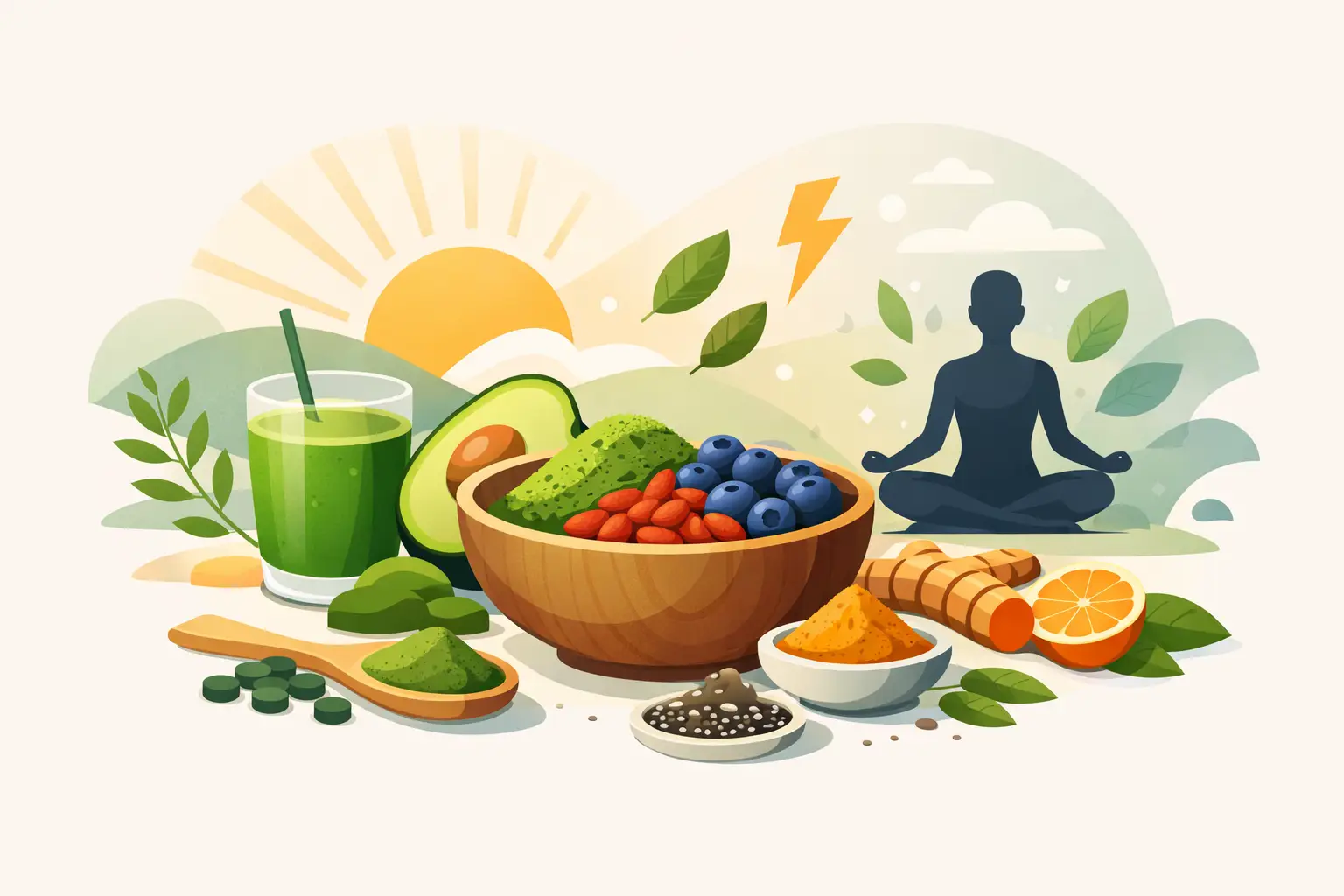
A rushed breakfast does not have to mean a sugary cereal bar, and an afternoon snack does not have to come with a long ingredient list. Organic superfoods are a practical way to bring more naturally nutrient-dense foods into the meals you already make – from overnight oats and smoothies to family dinners and post-workout snacks -without refined sugars, chemicals or harmful ingredients.
The goal is not to fill your pantry with unfamiliar powders or follow a perfect routine. It is to choose a few clean, enjoyable staples that fit your taste, budget, and schedule. Wherever you are in your health journey, small upgrades made consistently can help you feel more supported by what is on your plate.
What Makes Organic Superfoods Worth Choosing?
“Superfood” is a useful everyday term, not a magic promise. It usually refers to foods that offer notable nutritional value in a relatively small serving, whether that means fiber, plant protein, healthy fats, minerals, or naturally occurring antioxidants. Chia seeds, cacao, quinoa, moringa, matcha, maca, acai, and camu camu all earn attention because they can add something meaningful to a balanced eating pattern.
Choosing organic adds another layer of intention. Organic standards focus on how ingredients are grown and handled, helping shoppers who want food made without synthetic pesticides and unnecessary processing. For many households, the bigger benefit is confidence: you know that the ingredients you are bringing home align with a cleaner eating routine.
Still, organic is only one part of a smart choice. Read the full label. A product can be organic and still contain added sugar, artificial flavors, fillers, or preservatives that do not match your needs. Look for simple ingredient lists, clear sourcing, and products designed to deliver what your body needs, without what it does not.
Build Your Organic Superfoods Pantry Around Real Life
The best pantry is not the one with the most products. It is the one you actually use. Start with ingredients that match the meals and moments you already have, then expand as new habits feel natural.
For quick, clean and healthy breakfasts
Chia seeds are an easy first choice because they work in overnight oats, yogurt, smoothies, and puddings. When soaked, they create a satisfying texture and add fiber to a breakfast that may otherwise leave you hungry by midmorning. Stir 1-2 spoonfuls into oats with plant milk, Ceylon cinnamon, and fruit the night before, and breakfast is ready when the day starts moving fast.
Organic granola, quinoa puffs, and wholesome breakfast cereals can also make mornings more convenient. The trade-off is simple: convenience foods vary widely. Choose options with no refined sugar, no unnecessary additives, and recognizable ingredients, then pair them with fruit, yogurt, or a protein-rich smoothie for a more filling meal.
For a more focused morning ritual, ceremonial-style matcha can be a refreshing alternative to another cup of coffee. Start with a small amount like half teaspoon whisked into warm water or blended into a latte. Quality matters here because pure matcha should contain just finely ground green tea leaves, not sweeteners or artificial colors.
For balanced meals
Quinoa and millet make everyday meals feel more nourishing without making them complicated. Both are versatile grains that can take the place of white rice in grain bowls, soups, stir-fries, and warm salads. Quinoa cooks just like rice, and offers superior plant protein quality and a pleasantly nutty bite, while millet has a mild flavor that works well in savory dishes and breakfast porridge.
Healthy oils and spices can make a bigger difference than people expect. A drizzle of Sacha Inchi cold-pressed oil, or spices such as turmeric and Ceylon cinnamon, can bring depth to simple ingredients like roasted vegetables, lentils, eggs, or tofu. Superfoods do not need to be the center of every meal. Often, they are the quiet supporting ingredients that make wholesome food more satisfying and nutritious.
For snacks that do more
Snack time is where overly processed choices can quietly become a daily habit. Dried fruit, coconut rolls, cacao-based bites, and plant-based snack products can be welcome alternatives when they are made with straightforward ingredients without refined sugars, preservatives or artificial ingredients. They are not meant to replace whole meals, but they can be a more thoughtful option for commutes, school bags, desk drawers, and travel days.
Check serving sizes and added sweeteners on the labels, especially with dried fruits and snacks. Naturally sweet does not always mean low in sugar, so checking the serving size should be a habit before consuming. Pairing a sweet snack with nuts, yogurt, or a source of protein can help make it feel more substantial, slow digestion and dampen blood sugar spike.
Choose by Your Wellness Goal, Not by Hype
A colorful package or a trending ingredient should not decide what goes into your cart. Start with what you want your food routine to support.
If digestion is on your mind, fiber-rich foods such as chia seeds, quinoa, rolled oats, psyllium husk and minimally processed plant foods are practical places to begin. Add them gradually and drink enough water, particularly if your current diet is low in fiber.
For active days and workouts, plant protein powders can offer a convenient option when a full meal is not nearby. Look for a formula with a clean ingredient list without artificial sweeteners or flavoring. Protein powder can support your routine, but it works best alongside regular meals with complex carbohydrates, vegetables, healthy fats, and adequate rest & sleep.
For an everyday nutrient boost, powders such as moringa, maca, acai, cacao, and camu camu can be blended into smoothies, mixed into oats or energy bites. Each has a different taste. Cacao is rich, chocolatey and familiar, maca is earthy and malt-like, moringa is green and grassy, while camu camu is tart and sourish. Start with one ingredient rather than adding several at once, so you can find what suits your palate.
It also helps to keep expectations realistic. No single food can guarantee energy, immunity, weight change, clearer skin, or better health. Those outcomes are shaped by your overall eating pattern, movement, sleep, stress, and personal health needs. Superfoods are valuable because they make it easier to choose nutrient-dense ingredients more often, not because they are a shortcut or a miracle cure.
What to Look for on a Clean Label
Ingredient integrity should be easy to see. Prioritize organic products with short, understandable ingredient lists and avoid refined sugars, artificial additives, and preservatives when they do not serve a real purpose. If you avoid gluten, check for clear gluten-free labeling and consider cross-contact information where relevant.
Safety matters just as much as nutrition. Foods grown in soil, especially powdered greens, cacao, and grains, can raise questions about contaminants. Choose brands that take ingredient sourcing and heavy-metal safety seriously, rather than relying on broad wellness claims alone. Transparent quality standards are a sign that a company respects the role its products play in your home.
Sustainable sourcing deserves attention, too. The ingredients in your smoothie or breakfast bowl often travel far before they reach your kitchen. Thoughtful sourcing supports better practices for growing communities and the environment while helping preserve the quality of the food itself.
Easy Ways to Make the Habit Stick
Keep your most-used ingredients visible on your kitchen counter. Put chia seeds beside your oats, matcha near your mug, and cacao where you make smoothies or beverages. A healthy choice becomes easier when it is not hidden behind a crowded cabinet.
Create one or two reliable combinations instead of chasing new recipes every week. Try chia, oats, fruit, and plant milk for breakfast; quinoa, roasted vegetables, and a simple salad dressing with Sacha Inchi Oil for lunch; or cacao, banana, and plant protein in a smoothie after exercise. Repeating meals is not boring when they make you feel good and save you time.
Nature’s Superfoods is built around this kind of practical nourishment: organic pantry staples, breakfast favorites, fitness essentials, and snacks that make clean eating feel more achievable. Choose the ingredients you enjoy, use them often, and let your routine grow from there – one satisfying meal at a time.