
-
No products in the cart.
Moringa Powder Benefits for Everyday Wellness
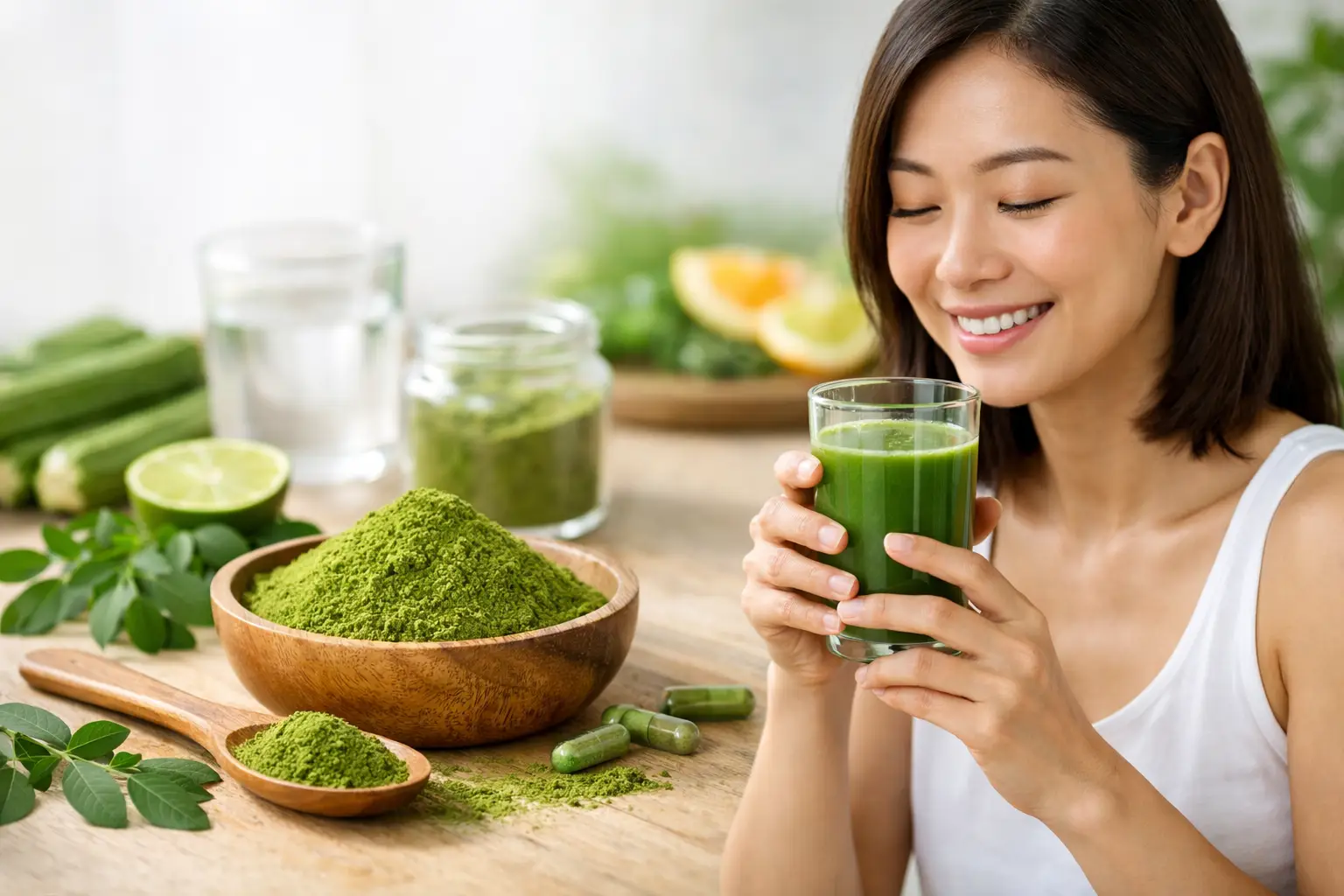
Moringa Leaf Powder – Mother Nature’s Best Multivitamin
Moringa leaf powder provides nutrition in a whole‑food form the body recognizes and absorbs more effectively than many synthetic supplements. Celebrated as the “miracle tree,” moringa is exceptionally nutrient‑dense, offering over 90 nutrients and 46 antioxidants. Just a spoonful daily provides iron, calcium, potassium, protein, Vitamin A, Vitamin K and Vitamin C — essential for energy, immunity, bone strength, heart health and overall wellness.
This bright green powder isn’t a quick fix, but a whole‑food source that complements balanced meals built on fiber, protein, and healthy fats. Choosing moringa means choosing a clean, plant‑based multivitamin that supports daily health naturally, without the long list of synthetic ingredients found in many supplements.
What Makes Moringa Leaf Powder So Nutritious?
Moringa oleifera is a leafy tree traditionally grown in warm climates. Its leaves are naturally rich in plant compounds — including antioxidants like quercetin and chlorogenic acid, anti‑inflammatory flavonoids, immune‑supporting carotenoids, and glucosinolates that aid detoxification — all working together to support everyday wellness. And when these leaves are dried and ground, they become a concentrated green powder with a peppery, grassy taste.
One(1) teaspoon of moringa leaf powder (≈ 2 g) is roughly equivalent to about 10–15 teaspoons of fresh moringa leaves by weight and nutrient density.
Moringa Powder Benefits That Fit Real Life
A convenient boost for plant-forward meals
Many people buy fresh greens with the best intentions, only to find them wilting at the back of the refrigerator. Moringa powder offers a shelf‑stable alternative, delivering concentrated green nutrition to a meal in seconds. Stir half a spoonful into oatmeal, blend it into a smoothie, or whisk it into soups, stews, or vegetable dishes.
This convenience is especially valuable for busy mornings, frequent dining out, and travel‑friendly routines. Its benefits are most meaningful when it helps you choose a nourishing meal instead of skipping one or reaching for an ultra‑processed option.
Antioxidant support from a whole-food ingredient
Our bodies naturally produce free radicals through metabolism, exercise, and environmental exposure. In excess, these unstable molecules cause oxidative stress, which can weaken immunity, accelerate aging, and damage cells. Antioxidants from plant foods help neutralize free radicals and restore balance.
Moringa is especially rich in polyphenols, flavonoids, and Vitamin C, making it a powerful antioxidant source. By reducing oxidative stress, moringa supports stronger immune defenses, healthier skin, and slower age‑related decline — one reason it’s often called the “miracle tree.”
It is best to view antioxidants as part of a broader plate, not as a reason to rely on one superfood. Pair moringa with berries, citrus, nuts, beans, whole grains, and colorful vegetables for a more complete approach to everyday nourishment.
A smart addition to heart-conscious eating
Rooted in Ayurveda and now studied by modern science, moringa is being explored for its potential benefits to blood pressure, cholesterol, and blood sugar. While research is still emerging, its nutrient‑dense profile makes it a powerful addition to everyday wellness.
What it can do is fit naturally into a heart-conscious, lower-added-sugar eating pattern. Use it in a homemade dressing, a savory dip, or a smoothie instead of relying on sugary flavored options. Small food choices, repeated often, are where sustainable wellness takes shape.
Support for active days and recovery meals
Fitness or exercise routines create a greater need for regular, balanced fuel. Moringa powder contributes a wide spectrum of micronutrients — including iron, calcium, potassium, Vitamin A, Vitamin C, and Vitamin K — that support energy, immunity, and bone strength. Still, it is not a complete recovery food on its own. After a workout, pair it with enough protein and complex carbohydrates to fully support your fitness goals.
Try it in a smoothie with banana, unsweetened non-dairy milk, and a clean plant protein powder. The banana provides good carbohydrates, the protein supports muscle repair, and moringa contributes its rich spectrum of micronutrients — rounding out the nutrition profile.
How to Use Moringa Without Overpowering Your Food
Start small — half a teaspoon a day is enough to adjust to its grassy flavor and see how your digestion responds. Once comfortable, you can work up to one teaspoon or follow the serving size on the package. Remember, with concentrated green powders, gradual increases are best — more isn’t always better, especially when you’re just starting out.
Moringa blends most easily with naturally creamy or tangy foods. In a smoothie, combine it with mango, pineapple, banana, or berries. In a breakfast bowl, stir it into overnight oats with chia seeds, cinnamon, and unsweetened yogurt. A little citrus can soften its green flavor in dressings and sauces.
For a savory option, mix a small spoonful into hummus, pesto, lentil soup, or a green salad dressing. Add it near the end of cooking rather than simmering it for a long time. This preserves the micronutrients, the fresh taste and keeps the color brighter.
A simple weekday smoothie can be made with a frozen banana, a handful of berries, one teaspoon of moringa powder, a tablespoon of chia seeds, and milk of choice. If you are using it as breakfast, add unsweetened Greek yogurt, tofu, or plant protein so the drink is substantial enough to carry you through the morning.
Choosing a Clean, Organic Moringa Powder
With powders, sourcing and handling are as important as the ingredient name on the front of the pack. Moringa leaves can absorb what is present in their growing environment, so choose brands that are transparent about quality standards and responsible sourcing.
Look for a short ingredient list that says 100% moringa leaf powder, with no refined sugar, fillers, artificial flavors, or unnecessary additives. Organic certification can provide additional reassurance about farming practices. A rich green color and fresh, vegetal aroma are good signs, while a dull brown powder or musty smell may suggest age or poor storage.
At Nature’s Superfoods, each batch of organic Moringa powder undergoes rigorous testing to confirm it is free from Salmonella, other harmful pathogens and heavy metals. This uncompromising standard ensures each spoonful is safe and of highest quality.
Store your powder tightly sealed in a cool, dry cupboard, away from humidity and direct sunlight. Freshness protects both flavor and the value of the food you are adding to your routine.
Who Should Be Careful With Moringa?
Most people can enjoy culinary amounts of moringa leaf powder as part of a varied diet. Yet a few situations call for a conversation with a health professional first. If you are pregnant, breastfeeding, taking medication for blood sugar or blood pressure, using blood thinners, or managing a medical condition, ask your clinician or pharmacist about potential interactions.
Use leaf powder intended for food, not extracts made from the root, bark, or other parts of the plant. These are not interchangeable. If you experience digestive discomfort, reduce the serving or pause use. A wellness routine should feel supportive, never like something you have to push through.
Make It a Habit You Actually Enjoy
The best moringa routine is not the most complicated one. It is the teaspoon you remember to add to a satisfying smoothie, the nourishing breakfast bowl you can prepare before a busy day, or the savory sauce that helps your family eat more plant foods.
Choose a pure, thoughtfully sourced powder, begin with a small serving, and let it earn a place in meals you already love. When simple ingredients become repeatable habits, healthy eating feels less like a project and more like a natural part of the day.