
-
No products in the cart.
Do Chia Seeds Cause Bloating? Eat Them Comfortably
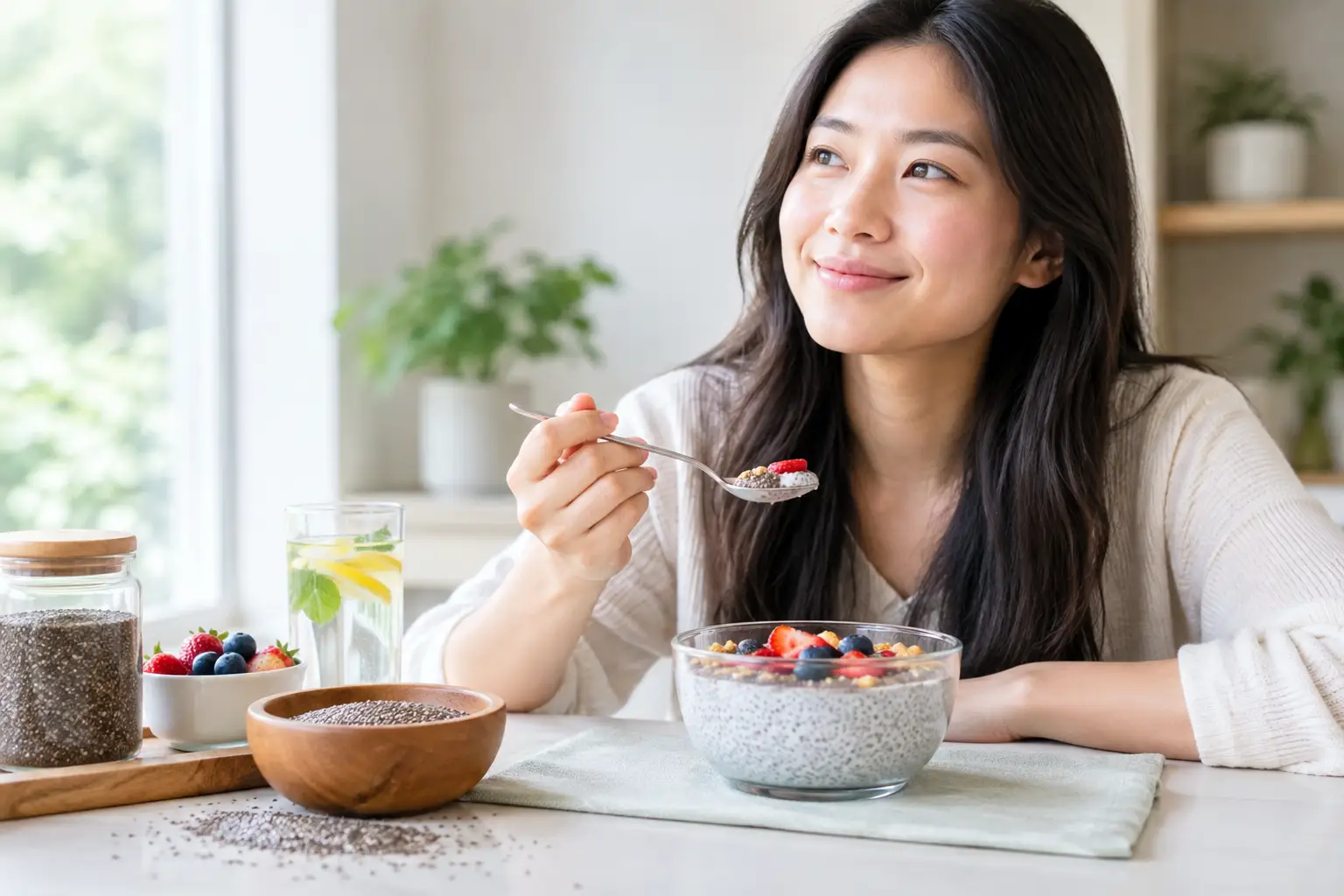
A tablespoon of chia can make breakfast feel more satisfying, but it can also leave some people wondering, do chia seeds cause bloating? They can, especially when your usual fiber intake is low or you add a large serving of chia seeds all at once. The good news is that bloating is often a sign to adjust how you eat chia, not necessarily a reason to avoid this nourishing pantry staple.
Chia seeds are naturally rich in fibre and, when soaked, absorb liquid to form a gentle gel coating around each seed. This unique combination supports regular digestion and helps meals feel more filling. Like beans, whole grains, and other fibre‑rich foods, chia requires your digestive system to adjust. Starting slowly with smaller amounts, plenty of fluids, and simple preparation makes the experience more comfortable.
Do Chia Seeds Cause Bloating? The Short Answer
Chia seeds may cause temporary bloating, gas, or abdominal fullness in some people. This is most likely when you eat more than your body is used to, do not drink enough water, or increase several high-fiber foods at the same time.
One tablespoon of chia seeds (about 8-10g), provides a good amount of dietary fiber. Fiber reaches the large intestine, where gut bacteria ferment part of it. This is a normal process that can produce gas. For someone who usually eats a low-fiber diet, this change can feel noticeable at first.
Bloating is not a measure of whether a food is “good” or “bad.” It is useful feedback. Your body may simply need a smaller portion and a few days to settle into a new routine.
Why Chia Can Feel Heavy in Your Stomach
Chia’s ability to soak up water is part of what makes it so versatile in overnight oats, puddings, smoothies, and baking. When the seeds meet liquid, they expand and develop a soft gel-like texture. If you eat dry chia seeds and follow them with too little water or fluid, that expansion can feel uncomfortable.
The same is true of portion size. A heaped spoonful added to a smoothie, then followed by a fiber-rich lunch of legumes, vegetables, and whole grains, may be more fiber than your system can comfortably handle in one day. Healthy foods still work best in amounts that suit the individual.
Some people also notice symptoms because of the meal around the chia rather than the seeds alone. A smoothie with dairy, sugar alcohols, large amounts of fruit, or protein powder may be more likely to cause bloating than a simple chia pudding. Looking at the whole meal is more helpful than blaming one ingredient immediately.
Start With a Portion Your Gut Can Handle
For most adults, one tablespoon a day is a comfortable place to begin. If that amount causes bloating, reduce to one teaspoon and stay consistent for several days before moving up to two teaspoons, if it feels right for you. There’s no benefit in rushing— steady habits are far more beneficial than oversized servings that leave you uncomfortable.
If you already eat plenty of vegetables, fruit, whole grains, beans, nuts, and seeds, you may adjust more easily. If your current diet is lower in fiber or you have been advised to follow a special eating plan, start with one teaspoon instead. Wherever you are in your health journey, gradual changes tend to be kinder to digestion.
It also helps to increase your overall fluid intake. Water supports fiber as it moves through the digestive tract. Aim to sip regularly throughout the day rather than trying to drink a large amount only with your chia meal.
Soak Chia Seeds Before Eating Them
Soaking chia is one of the easiest ways to make the texture more pleasant and the serving gentler on digestion. Stir 1 teaspoon to 1 tablespoon of chia seeds into about ½-1 cup of water, milk, or an unsweetened plant‑based alternative. Leave it for 15–20 minutes for the seeds to absorb liquid, stirring once more if needed.
For a thicker pudding, refrigerate overnight —the seeds will continue to absorb liquid and form a smooth, gel‑like consistency.
Chia seeds can also be stirred into yogurt, oatmeal, or a smoothie where there is plenty of liquid. Still, pre-soaked chia (in liquid) is a smart option for anyone who is new to it, prone to digestive sensitivity, or simply prefers a softer gel-like texture.
Try a simple breakfast: mix chia into oatmeal or unsweetened plain yogurt. Chia adds gentle texture, fibre, and plant‑based omega‑3s to your meal. Curious about coffee? While you can stir chia into hot coffee, it often clumps and feels gritty. For a smoother experience, soak the seeds first in a few tablespoons of water for several minutes until they form a gel, then add the gel to coffee, smoothies, or lattes.
Everyday Ways to Eat Chia More Comfortably
Preparation matters, but timing matters too. Rather than adding chia to an already large meal, use a modest amount in one familiar food. A tablespoon in overnight oats or a smoothie is usually easier than scattering several spoonfuls across breakfast, snacks, and dinner.
These approaches are especially helpful when you are building a new fiber habit:
- Stir in one teaspoon to oatmeal and let sit for a few minutes, then increase gradually over a week or two.
- Make chia pudding with plenty of liquid (or milk) and let it set overnight in the fridge before eating.
- Blend chia with your smoothie for a smoother, less seedy texture.
- Combine chia with foods you already tolerate well, such as yogurt or warm porridge or cereal drink.
Avoid treating chia as a quick fix for weight loss or digestion. Its fiber, plant-based omega-3 fats, and minerals can complement a balanced diet, but your body benefits most from balanced meals, hydration, movement throughout the day, good sleep and a variety of plant foods.
When Bloating May Not Be About Chia
If bloating persists even with a small, soaked serving, take a break and consider other possibilities. Food intolerances, constipation, stress, menstrual-cycle changes, and changes in your eating schedule can all affect how your stomach feels.
People with irritable bowel syndrome (IBS) can include chia seeds in their diet, but tolerance varies. Chia’s soluble fibre and low‑FODMAP profile may help regulate bowel movements and support gut health, yet excessive intake or poor preparation can trigger bloating, gas, or diarrhea. The safest approach is to start small, soak the seeds well, and monitor your body’s response.
Be particularly cautious if you have trouble swallowing or a known narrowing in the digestive tract. Chia should always be eaten with enough liquid and should not be consumed dry by the spoonful.
Seek medical advice promptly for severe pain, vomiting, trouble swallowing, blood in the stool, unexplained weight loss, or bloating that is persistent and worsening. Everyday digestive adjustment is common; ongoing or alarming symptoms deserve proper care.
Choose Simple, High-Quality Chia
A good chia seed product should make everyday eating easier: look for seeds with high purity, free from foreign objects, a fresh taste and aroma, and a transparent ingredient label. Store the seeds in a cool, dry place in an airtight container to preserve their quality.
For families, chia can be a versatile staple that blends naturally into familiar foods. Parents might start with half to one teaspoon in oatmeal or yogurt or MILO for their children, while active adults may enjoy it in water, a post‑workout smoothie, or porridge. The best choice is the one you can prepare simply and enjoy regularly.
Let digestive comfort guide your portion. Begin small, soak the seeds, drink enough water, and give your body time to adjust. With steady habits, chia seeds can become a nourishing part of your daily diet— without asking your digestion to do too much, too soon.